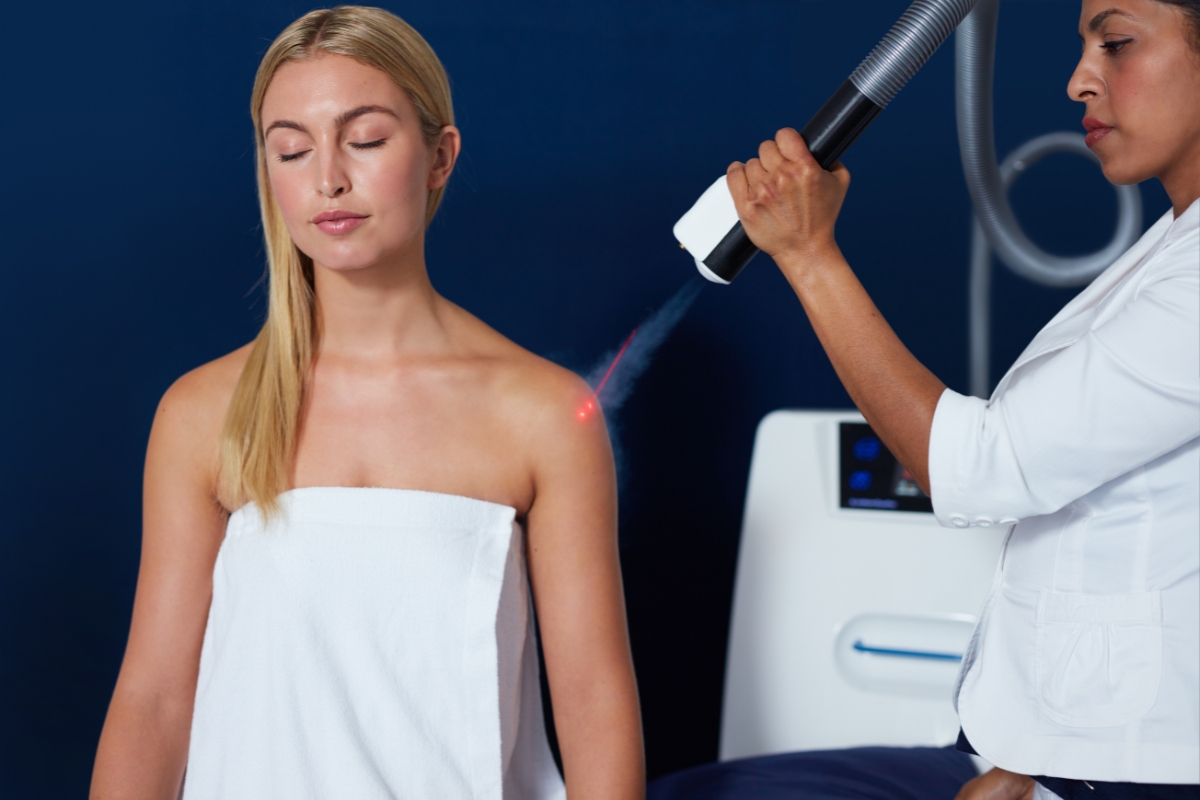
Mobility isn’t something most people think about until it starts slipping away. For many older adults, that gradual loss of range of motion — the stiffness after waking up, the hip that protests on stairs, the lower back that locks up after sitting too long becomes a daily negotiation. Exercise helps, but only so much when the underlying inflammation won’t quiet down.
That’s what makes cryotherapy worth a closer look for seniors. Not as a trendy wellness ritual, but as a clinically studied cold therapy that targets inflammation at a physiological level — and that’s been specifically examined in older adults dealing with chronic pain and restricted movement.
The real question isn’t whether it sounds appealing. It’s whether it’s safe, whether the evidence supports the benefits, and whether it fits your specific health situation. Let’s work through all of that honestly.
How Cryotherapy Works and Why It Matters for Aging Bodies
Cryotherapy, in its whole-body form (WBC), involves brief exposure to extremely cold air (between -100°C and -150°C) for two to three minutes inside a cryochamber. That temperature triggers an immediate physiological response: blood vessels constrict, circulation redirects toward core organs, and the body releases anti-inflammatory compounds and endorphins as part of its cold-stress response.
When the session ends, and your body rewarms, blood rushes back to peripheral tissues — now carrying more oxygen and white blood cells than before. This flush-and-replenish cycle is thought to reduce chronic inflammation, ease nerve sensitivity, and support muscle recovery.
For aging bodies, this matters because chronic low-grade inflammation is a primary driver of age-related joint stiffness, muscle fatigue, and pain. It’s also a key factor in conditions like osteoarthritis and rheumatoid arthritis — two of the most common reasons older adults lose mobility in the first place.
If you’re exploring options, cryotherapy in Canoga Park offers a supervised, clinical setting that’s quite different from DIY ice baths or cold showers.
What the Research Shows for Older Adults
This isn’t a case where the science is thin. Several studies have examined WBC in elderly populations, and the findings are meaningful.
A study examined 96 men between the ages of 65 and 75, all dealing with chronic lower back pain lasting more than three months. Half performed standard physical exercises. The other half added whole-body cryotherapy before their exercise sessions. The group who underwent WBC showed significantly lower muscle tension in the lumbar erector spinae and a significant increase in lumbar spine mobility compared to the exercise-only group. That’s a direct, measurable improvement in the range of motion most seniors struggle with.
The Safety Picture — Honest and Complete
Here’s where seniors and their families have the most questions, and rightfully so. Cold exposure carries real physiological stress, and older adults tend to have more underlying conditions that can complicate that picture.
Known contraindications for whole-body cryotherapy include uncontrolled hypertension, serious coronary or pulmonary disease, arrhythmia, circulatory disorders including peripheral artery occlusive disease, a history of deep-vein thrombosis, severe Raynaud’s syndrome, cold allergies, acute renal disorders, a history of seizures, and severe anemia.
If any of those apply to you, WBC is not an appropriate option without physician clearance and, in some cases, not at all. This isn’t a disclaimer for liability purposes. These conditions can become genuinely dangerous when the cardiovascular system is suddenly stressed by extreme cold.
That said, for older adults without those contraindications, the safety record is reasonably reassuring. A comprehensive scoping review examining adverse events associated with WBC located only 16 documented adverse events across the published literature — a small number given the millions of sessions performed globally.
The key safeguard is proper screening. A qualified provider will review your medical history, current medications, and cardiovascular status before clearing you for cryotherapy. This is standard practice at legitimate clinics, and it’s the step that separates safe outcomes from risky ones.
What Seniors Can Reasonably Expect
For older adults who are cleared for cryotherapy, the typical experience involves:
- Sessions lasting two to three minutes, with temperatures between -100°C and -150°C
- Protective gear covering extremities — gloves, socks, and slippers — to prevent frostbite
- A gradual acclimation period, often beginning at a milder temperature before the full session
- No requirement to be in athletic condition beforehand
Most people tolerate WBC well. Some feel energized afterward; others notice reduced joint stiffness within hours. The therapeutic benefit for mobility tends to build across multiple sessions rather than appearing dramatically after one.
How Cryotherapy Fits Into a Senior Mobility Plan
Cryotherapy works best when it’s part of a coordinated approach, not a standalone treatment. Here’s how it tends to fit:
- Before exercise or physical therapy: Reducing inflammation and nerve sensitivity beforehand can make therapeutic movement more productive and less painful — the same principle documented in the lumbar spine study with elderly men.
- After flare-ups: When arthritis or chronic back pain intensifies, a cryotherapy session can help bring inflammation back down without adding pharmaceutical load.
- As ongoing maintenance: For seniors managing chronic conditions, regular sessions may help keep pain levels more stable over time.
The goal isn’t to replace the work of mobility recovery. It’s to lower the inflammatory barrier that makes that work unnecessarily difficult.
If you’re an older adult in the Canoga Park area experiencing chronic joint pain, stiffness, or mobility limitations, a consultation can help determine whether cryotherapy fits your health profile. Schedule an appointment with Canoga Park Chiropractor today and get a clear picture of what’s appropriate for your health situation.
People Also Ask
Q: How cold does a cryotherapy chamber get, and is that dangerous for seniors?
A: WBC chambers typically operate between -100°C and -150°C (-148°F to -238°F). While those temperatures sound extreme, the sessions are brief (two to three minutes), and the dry air makes the cold feel less severe than an ice bath. The key safety variable isn’t the temperature itself; it’s whether your cardiovascular and circulatory system can handle the brief cold stress. A proper health screening before your first session identifies whether that applies to you.
Q: Is whole-body cryotherapy the same as an ice bath?
A: No. Ice baths use water, which conducts cold directly and efficiently into the body. They lower core body temperature noticeably and are typically much more physically difficult to tolerate. Whole-body cryotherapy uses cold air or nitrogen-cooled air, which doesn’t penetrate the skin as deeply or quickly. The physiological response is similar in some respects, but WBC is shorter, more controlled, and generally better tolerated by older adults who struggle with ice immersion.
Q: Can cryotherapy help with arthritis specifically?
A: Research supports the use of cryotherapy for both osteoarthritis and rheumatoid arthritis, though it’s not a cure for either. In rheumatoid arthritis, WBCs have been studied for their anti-inflammatory and pain-modulating effects. For osteoarthritis, local cold therapy has been shown to reduce pain at rest and during movement, as well as improve physical mobility. The benefit is in managing symptoms (inflammation and pain), not reversing joint damage.
Q: How many cryotherapy sessions does a senior typically need to notice a difference?
A: Most research protocols use a series of ten sessions, often conducted daily or several times per week, over two to three weeks. Some people notice improvement in pain and stiffness after three to five sessions; others see changes more gradually. Single sessions can provide temporary relief, but sustained mobility improvements tend to require a consistent short-term protocol followed by maintenance sessions.
Q: Can seniors with pacemakers use cryotherapy?
A: This is a question for your cardiologist, not a general answer from any wellness provider. Pacemakers regulate heart rhythm, and the cardiovascular stress response triggered by extreme cold exposure introduces variables that only your cardiac care team can evaluate for your specific device and condition.