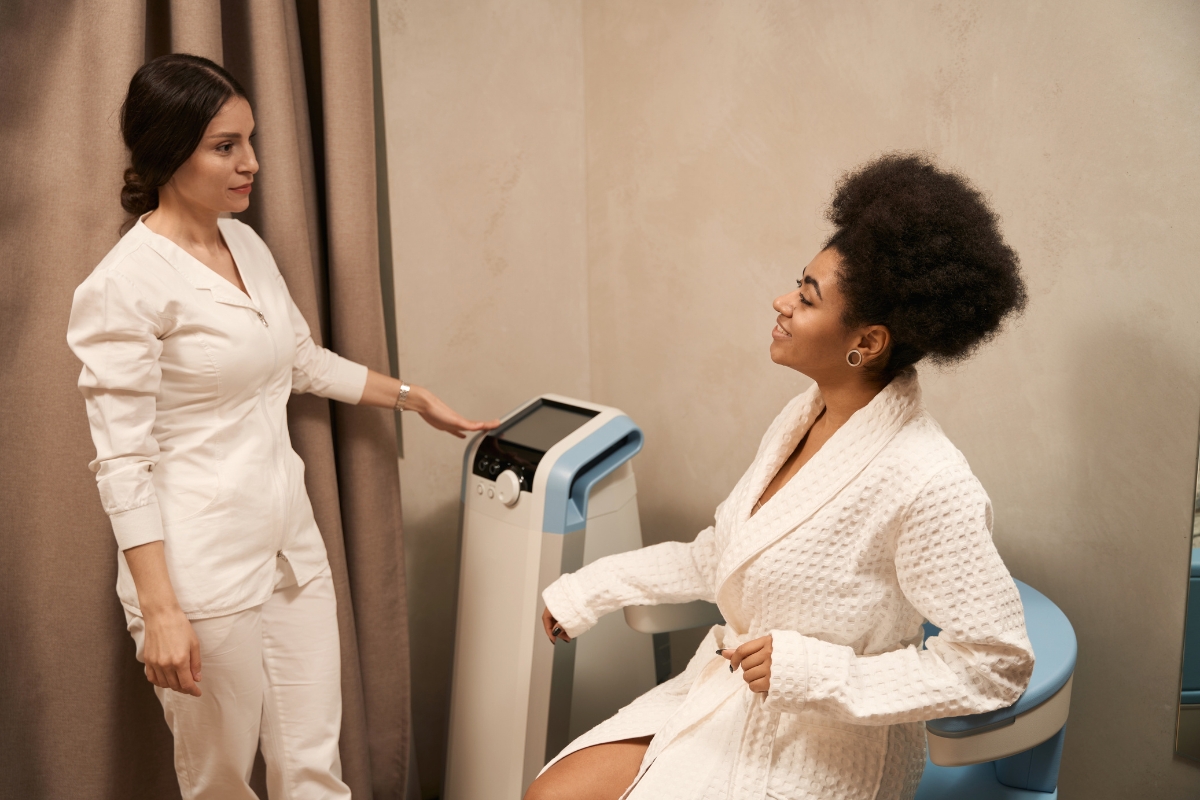
Plenty of treatments promise to reduce pain. Fewer of them actually address what’s driving it. Cold laser therapy (also called low-level laser therapy or photobiomodulation) works at the cellular level, stimulating your body’s own repair processes rather than simply masking the pain signal. That’s what makes it different from a heating pad, a pain pill, or a cortisone shot. And it’s why Dr. Andrew Morrow at Canoga Park Chiropractor uses it as a core part of treatment for a wide range of musculoskeletal conditions.
Here are the five conditions he most frequently treats with this technology, along with a clear explanation of why it works for each one.
How Cold Laser Therapy Works: Before We Get to the Conditions
It helps to understand the basic mechanism first. The laser device emits specific wavelengths of red and near-infrared light that penetrate the skin without generating heat. Those light wavelengths are absorbed by mitochondria (the energy-producing structures inside cells), which triggers increased ATP (adenosine triphosphate) production. More ATP means cells have more fuel to repair, regenerate, and reduce inflammation. The result is faster tissue healing, decreased swelling, and meaningful pain relief.
Sessions usually last 10 to 20 minutes, there’s no recovery time, and most patients feel little to no discomfort during treatment. That makes cold laser therapy a practical option for patients who need effective care but can’t afford extended downtime. At Canoga Park Chiropractor, it’s integrated with chiropractic adjustments and rehabilitative exercises to address the full picture — not just the symptom that brought you in.
Condition 1: Chronic Neck and Back Pain
Neck and back pain are among the most common complaints Dr. Andrew sees at the practice and among the most frustrating to manage, because they often involve multiple layers of dysfunction at once. A misaligned vertebra places stress on surrounding muscles, which tighten to compensate, creating further restriction in movement. Cold laser therapy directly targets the inflamed soft tissue in that cycle.
For patients in Canoga Park who spend long hours sitting at a desk or commuting, this is one of the most relevant applications offered by the clinic. Laser treatment combined with spinal adjustment addresses both the structural cause and the tissue-level inflammation simultaneously.
Condition 2: Plantar Fasciitis
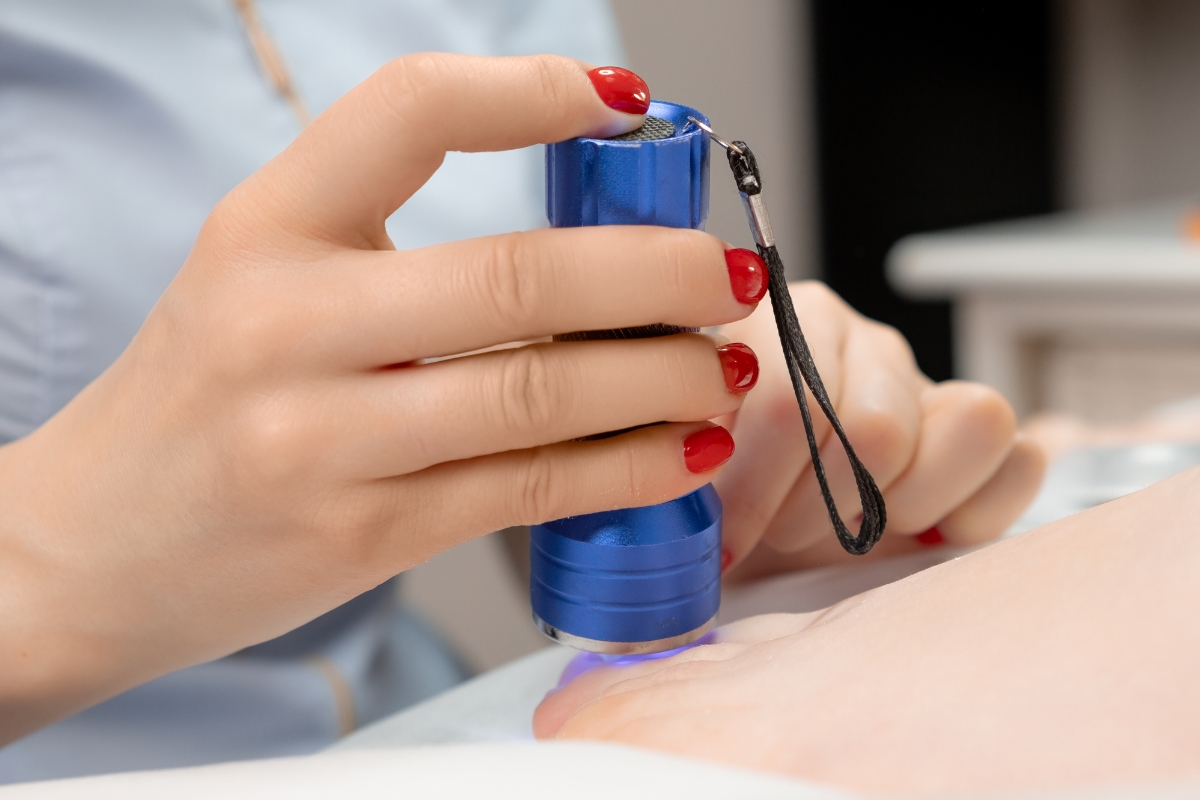
Plantar fasciitis (inflammation of the thick band of connective tissue running along the bottom of the foot) is one of the most stubborn conditions in musculoskeletal medicine. The plantar fascia endures enormous cumulative stress with every step, which means it’s constantly being re-irritated before it has a chance to fully heal. Traditional treatments like stretching, orthotics, and anti-inflammatory medication help manage symptoms, but they don’t significantly accelerate the underlying tissue repair.
Cold laser therapy changes that equation. By stimulating collagen synthesis and reducing local inflammation in the fascia, it accelerates the healing process in a way that passive rest alone cannot. Dr. Andrew incorporates it alongside soft-tissue work and functional foot assessment for patients with this condition.
Condition 3: Shoulder Tendinopathy and Rotator Cuff Injuries
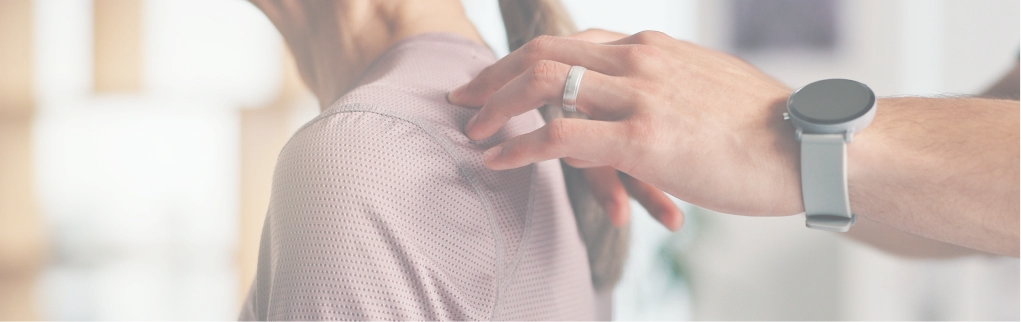
The shoulder is a complex joint with a demanding workload, and its tendons are particularly vulnerable to both acute injury and gradual wear. Rotator cuff tendinopathy — where the tendons become irritated and begin to degenerate without a complete tear — is common in adults over 40 and in people who perform repetitive overhead movements. It doesn’t always respond well to rest alone.
Cold laser therapy reaches deep into the shoulder soft tissue where surface treatments can’t. It promotes collagen production in damaged tendon fibers, reduces the cytokine activity that drives chronic inflammation, and improves circulation to tissue that has a 0poor blood supply to begin with, which is part of why tendon injuries heal so slowly. Dr. Andrew typically pairs this with shoulder mobility work and postural correction to address the movement patterns contributing to the injury.
Condition 4: Sciatica and Nerve-Related Leg Pain
Sciatica describes irritation or compression of the sciatic nerve, which runs from the lower back through the buttocks and down the leg. The pain can range from a persistent dull ache to sharp, electric-shock sensations that make it difficult to sit, stand, or walk comfortably. The underlying causes vary – a herniated disc, piriformis muscle tension, or lumbar spinal stenosis can all produce sciatic symptoms, and treatment needs to address whichever mechanism is actually involved.
Low-level laser therapy has demonstrated measurable effects on nerve tissue regeneration and on reducing neuropathic pain in multiple published studies. A 2010 review in Lasers in Medical Science found that photobiomodulation reduced both pain intensity and disability in patients with sciatica. At Canoga Park Chiropractor, Dr. Andrew assesses the cause of each patient’s sciatic presentation before applying laser therapy, ensuring the treatment targets the right tissue at the right depth.
Condition 5: Carpal Tunnel Syndrome
Carpal tunnel syndrome develops when the median nerve (which runs through a narrow passageway in the wrist) becomes compressed, due to inflammation of the surrounding tendons and tissues. It causes pain, numbness, and tingling in the hand and fingers, which often worsen at night or with sustained gripping. For many patients, wrist splinting and activity modification only partially control symptoms.
Cold laser therapy applied to the carpal tunnel region reduces inflammation and compresses the nerve, directly addressing the underlying mechanism of the symptoms rather than just bracing against them. Dr. Andrew frequently sees this condition in Canoga Park patients whose work involves keyboard use, driving, or manual labor, and cold laser therapy is consistently one of the most effective tools in his treatment approach.
Book an appointment at Canoga Park Chiropractor. Dr. Andrew Morrow will assess your situation, explain exactly how treatment would work for your dental condition, and build a plan focused on real, measurable improvement.
People Also Ask
How many cold laser therapy sessions are needed to see results?
Most patients notice improvement within four to six sessions. Acute injuries may respond faster, while chronic conditions usually require eight to twelve sessions for lasting results. Dr. Andrew will assess your progress regularly and adjust the treatment plan based on how your body responds.
Is cold laser therapy safe to use alongside other chiropractic treatments?
Yes. Cold laser therapy is routinely combined with spinal adjustments, soft tissue work, and rehabilitative exercises. The treatments complement rather than interfere with each other, and combining them typically produces better outcomes than either approach alone.
Are there any conditions where cold laser therapy should not be used?
Cold laser therapy is not applied directly over cancerous tissue, active growth plates in children, the thyroid gland, or during pregnancy. Patients with epilepsy or those taking photosensitizing medications should also discuss these factors with Dr. Andrew before beginning treatment.
How is cold laser therapy different from shockwave therapy?
Cold laser therapy uses light energy to stimulate cellular repair at the deep-tissue level. Shockwave therapy uses acoustic pressure waves to break down scar tissue and trigger healing responses. Both are non-invasive, but they work through different mechanisms and are best suited for different conditions and tissue types.