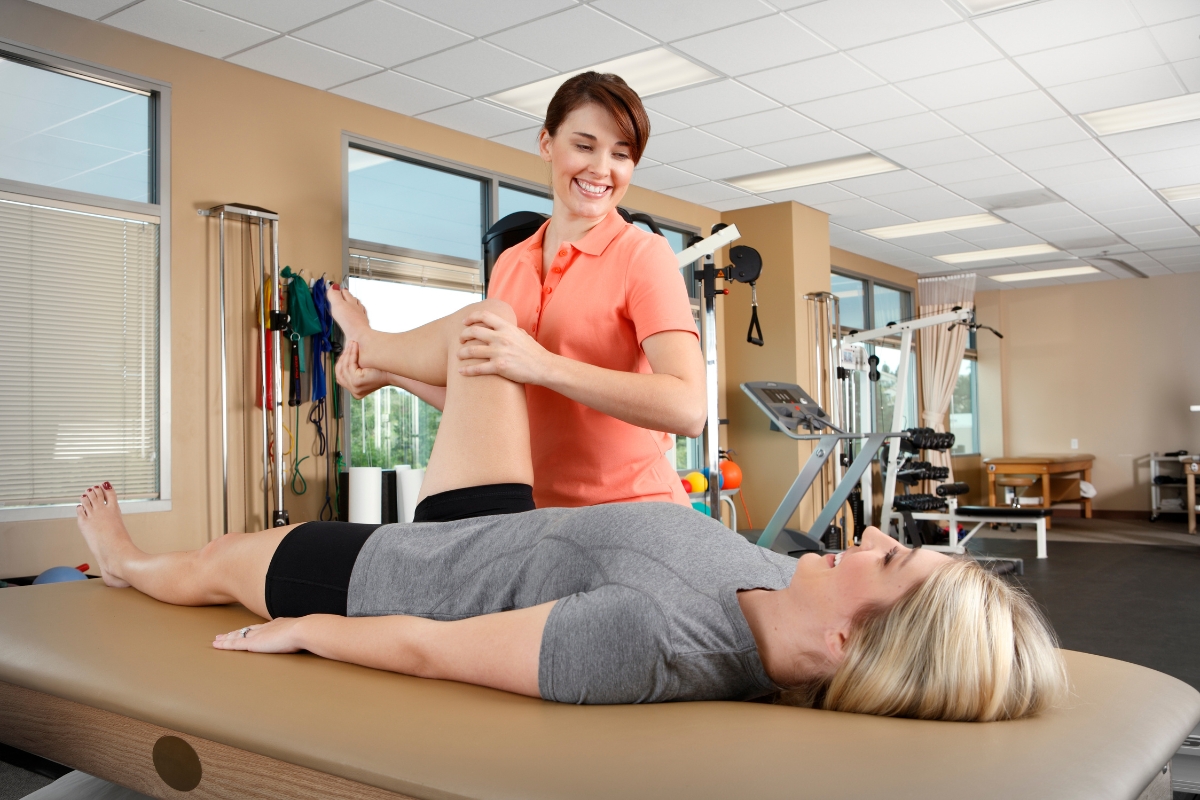

Knee pain can make everyday activities such as walking, climbing stairs, exercising, or standing for long periods more difficult. While occasional soreness may improve with rest, ongoing knee discomfort can sometimes indicate that you need targeted care to improve strength, mobility, and function.
If knee pain is interfering with your daily routine, Physical Therapy Canoga Park may be an option to consider. Physical therapy can include exercises and treatments designed to improve strength, flexibility, balance, and movement based on your individual needs.
The team at Canoga Park Chiropractor provides personalized physical therapy and knee pain relief services. Its approach may include physical therapy exercises, strengthening techniques, and targeted treatments to help reduce knee pain and improve mobility.
Why Persistent Knee Pain Should Not Be Ignored
Knee pain can have many possible causes. The clinic identifies injury, overuse, arthritis, gout, previous knee injuries, muscle weakness, and poor flexibility among factors that may contribute to knee discomfort.
The symptoms can also vary. Some people experience stiffness or swelling, while others notice weakness, instability, popping sounds, or difficulty fully straightening the knee.
The right approach depends on what is causing your symptoms. A physical therapy evaluation can help determine whether targeted movement and strengthening may be appropriate for your situation.
7 Signs You May Need Physical Therapy for Knee Pain
1. Your Knee Pain Keeps Coming Back
Occasional soreness after an unusually demanding activity may improve with rest. However, recurring knee pain deserves attention, particularly when it continues to interfere with your normal activities.
Repeated discomfort can make you change how you walk, exercise, or perform everyday movements. Over time, avoiding certain movements because they hurt can affect your strength and mobility.
Physical therapy may help address movement limitations and strengthen the muscles supporting the knee. The goal is to help you move more comfortably while working within your individual abilities.
2. Your Knee Feels Weak or Unstable
Do you feel as though your knee may buckle or give out while walking? Weakness or instability is another reason to consider an evaluation.
The clinic lists knee weakness and instability among common symptoms of knee pain.
Targeted strengthening can be useful when weakness is contributing to difficulty with movement. A personalized physical therapy program can focus on improving strength, balance, and function rather than simply addressing discomfort.
If your knee repeatedly gives way, seek an evaluation instead of continuing activities that make the problem worse.
3. You Have Difficulty Walking, Squatting, or Climbing Stairs
Knee pain can become particularly noticeable during activities that require repeated bending or weight-bearing movement.
You may notice discomfort when:
- Walking for extended periods
- Going up or down stairs
- Squatting
- Getting up from a chair
- Exercising
- Performing household activities
If these limitations are becoming part of your daily routine, physical therapy may help you work toward better mobility and function.
At Canoga Park Chiropractor, the knee pain program combines physical therapy exercises, strengthening techniques, and targeted treatments to help reduce pain and improve mobility.
4. Your Knee Is Stiff or Difficult to Fully Straighten
Persistent stiffness can affect how comfortably you move. You may notice that your knee does not bend or straighten as easily as it once did.
The clinic specifically identifies knee stiffness and an inability to fully straighten the knee as symptoms that can accompany knee pain.
Physical therapy may focus on improving flexibility and movement while gradually building strength. The exact exercises and treatments should depend on your condition and goals.
Do not force a painful movement. If stiffness persists or is getting worse, an evaluation can help determine the next step.
5. Your Knee Is Swollen After Activity
Swelling can occur for several reasons, including injury, inflammation, or an underlying joint condition. The clinic lists knee swelling, warmth, and redness among possible symptoms of knee pain.
If swelling repeatedly develops after physical activity, it may be worth discussing your symptoms with a health care provider. The CDC also recommends contacting a health care provider when joint pain or swelling does not improve with rest or other measures.
Physical therapy may be incorporated into a broader treatment plan when appropriate. Your treatment should be based on the cause and severity of your symptoms.
6. You Are Recovering From a Knee Injury
A previous knee injury can continue to affect movement even after the initial pain has decreased. The clinic notes that previous injuries involving structures such as ligaments, bones, tendons, or cartilage can contribute to ongoing pain or instability.
Returning to normal activity too quickly may also make it harder to regain strength and comfortable movement.
Physical therapy can be particularly useful during recovery because treatment can focus on rebuilding strength, improving mobility, and restoring function. The clinic provides physical therapy for musculoskeletal injuries and includes sprain relief and knee pain relief among its services.
7. Knee Pain Is Affecting Your Quality of Life
Perhaps the clearest sign that it is time to seek help is when knee pain starts changing how you live.
You may stop exercising, avoid favorite activities, limit social outings, or have difficulty completing everyday tasks because of your knee.
You do not necessarily have to wait until pain becomes severe before seeking care. Addressing persistent symptoms earlier may help you understand what is contributing to the problem and what treatment options may be appropriate.
Physical activity can also play an important role in managing certain joint conditions. The CDC notes that physical activity can help people with arthritis reduce joint pain and improve physical function.
How Physical Therapy Can Support Knee Pain Relief
Physical therapy is not a one-size-fits-all treatment. Your needs may differ depending on whether your knee pain is associated with an injury, overuse, arthritis, weakness, or another condition.
At Canoga Park Chiropractor, Physical Therapy Canoga Park services are customized to each patient’s needs. The clinic’s physical therapy services include knee pain relief, with exercises and strengthening techniques designed to improve mobility, support recovery, and help patients return to their normal activities.
Treatment may focus on:
- Improving knee strength
- Supporting flexibility
- Improving balance and movement
- Restoring function after an injury
- Helping you return to normal activities
- Addressing chronic pain and movement limitations
The clinic also offers other treatments as part of its broader approach to knee pain, including cold laser therapy, ultrasound therapy, chiropractic adjustments, and electric muscle stimulation. The appropriate treatment depends on the cause and severity of the knee problem.
When Should You Seek Care for Knee Pain?
Not every episode of knee soreness requires physical therapy. However, persistent or recurring pain, weakness, instability, swelling, stiffness, or reduced mobility should not simply be ignored.
If your symptoms are affecting your ability to walk, exercise, work, or complete everyday activities, consider scheduling an evaluation. A health care provider can help determine the cause of your symptoms and whether physical therapy or another treatment approach is appropriate.
If you experience severe pain, significant swelling, redness or warmth, or an inability to use the knee normally, seek prompt medical evaluation.
Learn More About Knee Pain and Physical Activity
Understanding how movement and physical activity relate to joint health can help you make informed decisions about your care. The CDC’s guidance on physical activity and arthritis explains how regular, joint-friendly physical activity can support mobility and help manage arthritis-related symptoms.
Take the Next Step Toward Better Knee Mobility
You do not have to let persistent knee pain dictate what you can and cannot do. If stiffness, weakness, swelling, instability, or limited mobility is affecting your daily life, getting an appropriate evaluation can help you understand your options.
Canoga Park Chiropractor provides personalized physical therapy and knee pain relief services designed around individual needs. Call (818) 888-7227 to schedule a consultation and discuss your knee pain and treatment options.
Frequently Asked Questions
1. Can physical therapy help with knee pain?
Physical therapy may help improve strength, flexibility, mobility, and function for people experiencing certain types of knee pain. The appropriate treatment depends on the underlying cause and severity of the condition.
2. What are common signs that I may need physical therapy for knee pain?
Recurring pain, knee weakness, instability, stiffness, swelling, difficulty straightening the knee, and problems walking or performing everyday activities may indicate that an evaluation is appropriate.
3. Can physical therapy help after a knee injury?
Yes. Physical therapy can be part of recovery after certain knee injuries. Treatment may focus on restoring strength, mobility, balance, and function. Your treatment plan should be based on the specific injury and your recovery needs.
4. How long does physical therapy for knee pain take?
There is no single timeline for everyone. The clinic states that the number of sessions varies according to the patient’s condition and treatment goals. Some patients may notice improvement after a few sessions, while others may need a longer treatment plan.
5. Where can I find physical therapy for knee pain in Canoga Park?
Canoga Park Chiropractor offers personalized physical therapy, including a knee pain relief program that combines physical therapy exercises, strengthening techniques, and targeted treatments. The office is located at 7127 Owensmouth Ave, Canoga Park, CA 91303—call (818) 888-7227 to schedule a consultation.
Related Articles